Why is collaboration in healthcare so important?
Patient care is a collaborative endeavor. Delivering a high-quality patient experience and healthcare requires knowledge, skills, and efforts from interprofessional teams. Teamwork also reduces the burden on healthcare providers so they can focus on their core, critical operations.
In this blog, we explore the benefits of promoting collaboration in healthcare and expert recommendations to improve the same.
01How can collaboration improve healthcare outcomes?
Interprofessional collaboration in healthcare strengthens the team as they can put together skills and experience from different team members. Here's exactly how collaboration in healthcare improves the quality of different aspects of healthcare systems.
1. Enhanced patient care quality
When healthcare professionals with different skill sets, knowledge, and experience come together, they can offer a better quality of patient care.
For example, the best way to treat a patient with injuries on his/ her legs is to bring together the expertise of a physical therapist and an occupational therapist.
The physical therapist can focus on treating and monitoring the health of the patient's muscles. In contrast, the occupational therapist shall concentrate on enabling patients to perform their day-to-day activities.
2. Reduced errors
When healthcare professionals come together to treat patients, different perspectives lead to shared decision-making. This reduces the probability of common errors and inaccuracies in medication and misdiagnoses.
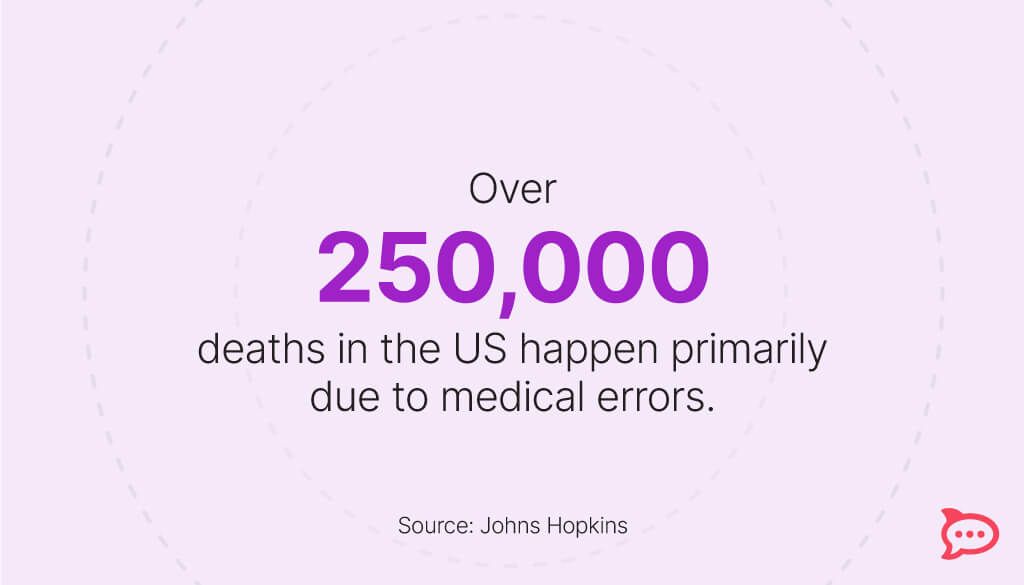
A Johns Hopkins study shows that over 250,000 deaths in the US happen primarily due to medical errors.
Also, healthcare professionals working in a collaborative ecosystem pave the way for quicker, timely interventions mitigating the risk involved. This is more important in healthcare, where every second matters.
A study shows a 56% reduction in mortality from bariatric surgery and 175,000 lab tests being prevented due to collaborative efforts.
3. Improved patient satisfaction
Collaboration in healthcare helps patients access a higher-quality service and seek timely interventions. They get an opportunity to experience diverse treatment options. When treated right, they are less likely to return for readmissions.
For example, the collaborative healthcare mechanisms led by Blue Cross Blue Shield of Michigan show a 53% reduction in discharges to extended care post-surgery.
When fewer errors occur, patients get well quickly, enhancing patient experience and trust. It also minimizes treatment costs, which prompts inclusivity and helps people avail of quality healthcare at affordable rates.
📚 Learn what are the best examples of positive patient experience.
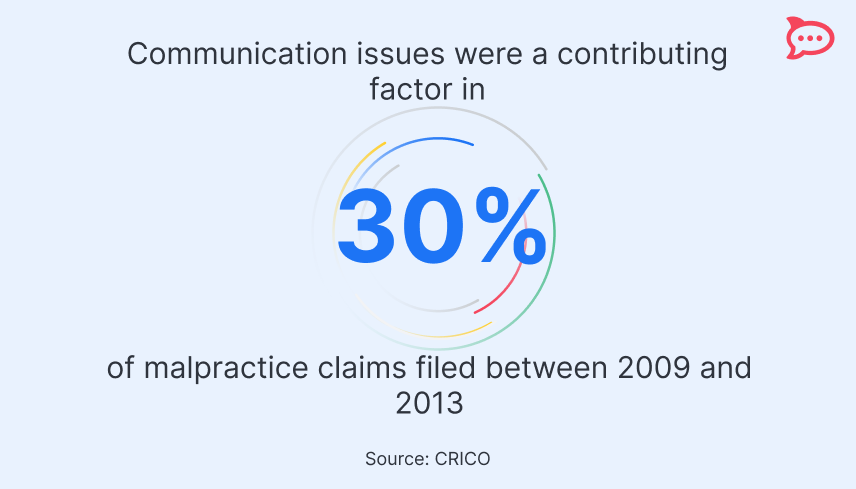
4. Exchange of knowledge between healthcare workers
When healthcare professionals work together, they communicate closely, leading to a healthy exchange of ideas, knowledge, and perspectives.
Imagine a patient being rushed to the emergency on account of chest pain. First, a doctor in the emergency department would diagnose him. Then, a cardiologist would check and order critical tests. A radiologist would do the tests and send the reports to the cardiologist.
After diagnosis, the patient shall be monitored by nurses, a dietician, and a junior doctor doing routine rounds. Based on the diagnosis, he would also be attended to by a pulmonologist, nephrologist, or other professionals.
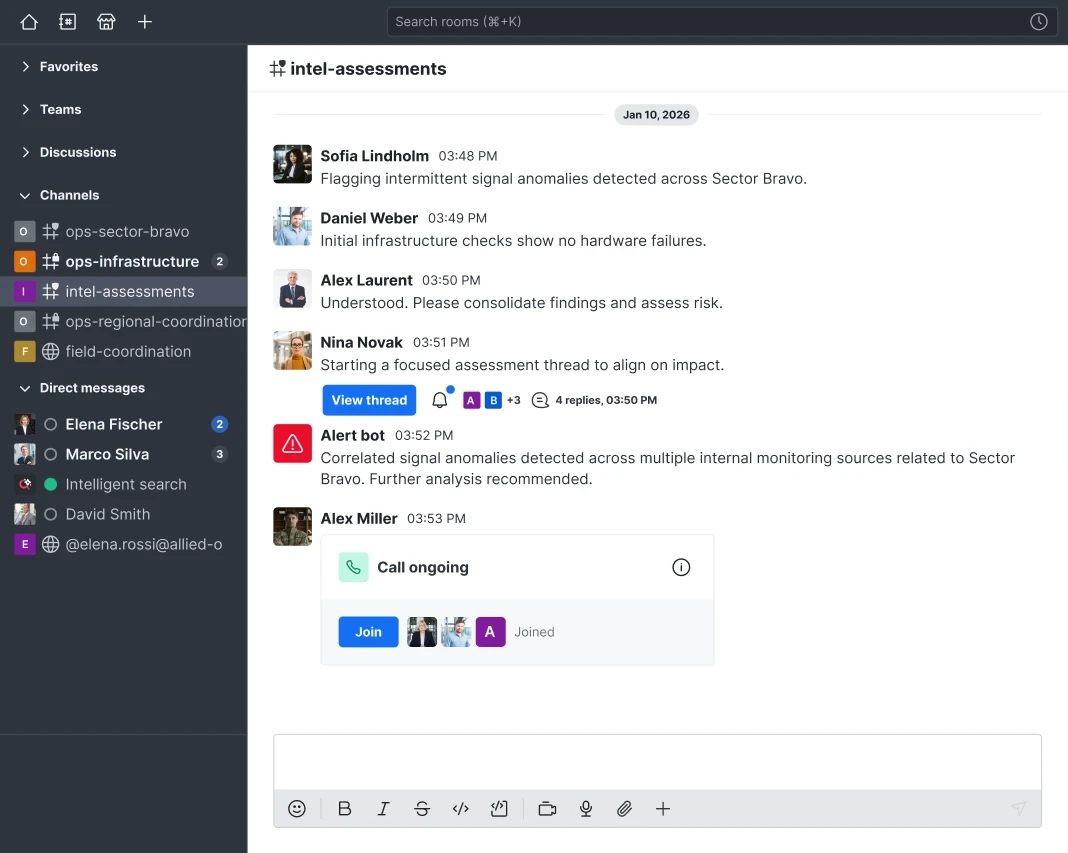
Now, when all these specialists come together to treat a patient, there is an enormous knowledge exchange. Doctors and medical staff often communicate through text, video, or voice, aiding shared decision-making.
➡️ Leaders in healthcare need to be mindful of HIPAA compliance not only with their patient-facing communication tools, but also with internal collaboration.
Learn how to use Microsoft Teams and Slack in a HIPAA-compliant way.
5. Higher healthcare staff retention
When healthcare professionals collaborate, they get to share their workload, which prevents burnout. The professionals also approach complex problems together. The supportive culture relieves them of the stress that gets in otherwise when they have to do it alone.
Such a supportive work culture helps them balance their personal and professional lives. Also, collaboration in healthcare systems creates a sense of attachment and bonding between the professionals. They feel a lot more contented and satisfied than working in silos.
As interprofessional collaboration involves exchanging knowledge and skills, professionals learn continuously. This increases their confidence as a professional and eventually improves retention rates.
028 ways to improve interprofessional collaboration in healthcare
Now that you know the benefits and importance of collaboration in healthcare, let us delve deeper into the means of achieving the same.
1. Provide the right collaboration tools
The first step to promoting a strong interprofessional collaboration among healthcare professionals is to establish tools and processes for clear communication. For example, a cardiologist will need input from a nurse who makes periodic observations and maintains records. A pulmonologist will require reports from a radiologist.
The key is investing in the right collaboration tools and streamlining digital communication between healthcare professionals. Having open-sourced, customizable and HIPAA-compliant tools like Rocket. Chat helps protect patient data and records while healthcare professionals involved in the treatment use them in communication.
2. Align on the common purpose
The easiest way to bring about interprofessional collaboration in healthcare is to align the team to the common objective of delivering high-quality patient care. Collaboration happens effortlessly when professionals are motivated to prioritize patient needs, outcomes, and well-being.
Making decisions from the point of patient welfare, values, and preferences reduces conflicts and creates synergy between them. Establish patient welfare-centric goals and metrics to align the team toward the common objective.
3. Establish role clarity
A successful interprofessional collaboration among healthcare professionals requires that their roles be clearly defined. Document each of their responsibilities and establish clear communication lines to address specific concerns and avoid conflicts.
Doing so will make everyone in the team accountable and share the responsibilities, so there is a balance. Though there will be some overlap, having well-defined roles and responsibilities will make them comfortable and confident.
4. Empower all team members
The next step is to build a psychologically safe space at work so everyone in the organization feels secure and supported. Let the team members ask questions by fostering an open, non-judgemental space.
Encourage questions that are focused on patient health and welfare. When it comes to sensitive topics, allow team members to raise questions anonymously.
5. Work on transparency and accountability
Open, honest communication lines help promote transparency while clearly demarcated roles, goals, and metrics increase accountability. Establish formal mechanisms for feedback and review to ensure that the team's concerns are promptly addressed.
Evaluate, monitor, and report patient outcomes and the team’s performance. This allows for continuous improvement and fosters a sense of accountability. Review policies and procedures periodically to ensure that they are up-to-date.
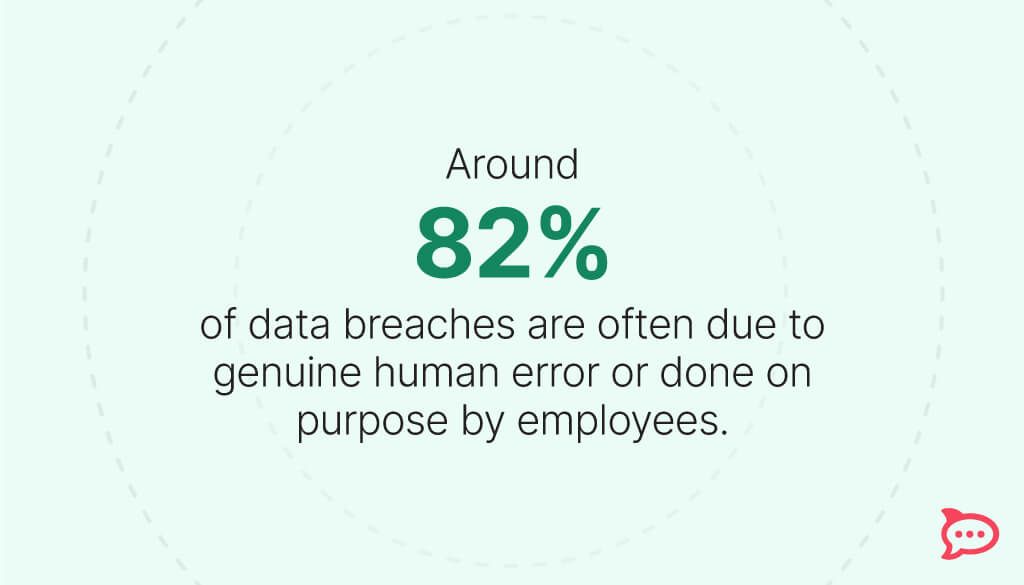
As healthcare professionals deal with sensitive patient data and information, it is important to hold them accountable at work as it would help minimize HIPAA breaches. It must be noted that around 82% of breaches occur due to employee errors made purposely or unknowingly.
Using technological tools for communication helps centralize conversations and promote transparency in decision-making. Additionally, using secure, HIPAA-compliant messaging apps created with healthcare use-cases in mind helps to keep exchanged data confidential.
6. Celebrate and recognize successes
Recognition and appreciation are basic expectations of employees in the workplace. Proper recognition has the power to boost morale and reinforce a positive work environment.
Make it a point to recognize and appreciate the achievements of team members, no matter how tiny they are. Award those who demonstrate exceptional commitment at work. Incentivize their contribution to teamwork and appreciate them on social media platforms so their effort gets wider recognition.
Encourage team members to appreciate each other’s contributions. This adds more meaning and strengthens the objective of achieving constructive interprofessional collaboration in healthcare.
7. Practice interprofessional respect
To promote interprofessional collaboration in healthcare, the professionals must trust and respect each other. Doing so would help build non-judgmental, open lines of communication between them. This way, they become confident about sharing their own thoughts and seeking other’s opinions.
Helping the professionals understand each other’s educational background, skills, experience, and expertise can also help foster interprofessional respect.
8. Share knowledge and resources
A key strategy to successful interprofessional collaboration is to nurture physical and virtual spaces for employees to share their knowledge and resources.
Traditionally, healthcare chains held multidisciplinary rounds to bring together professionals and improve communication between departments. They helped create a safe space for professionals to securely discuss, share crucial information, ask questions, and seek clarification.
Modern collaboration tools have private channels where team members can initiate a thread or a topic and encourage discussion. Other options like file sharing also help foster collaboration.
03How Rocket.Chat enables efficient digital collaboration in healthcare
As a HIPAA-compliant chat solution, Rocket.Chat enables healthcare professionals to collaborate. With Rocket.Chat, collaboration can be made secure even when extended to collaborators external to the core healthcare institution. This means that doctors, nurses, and other staff can safely communicate with labs, insurers, and other partners via Rocket.Chat.
Rocket.Chat also supports secure patient messaging. As an open source software, it's made for organizations in the healthcare industry that want efficient digital collaboration without worrying about data breaches.
Read more about Rocket.Chat for healthcare and reach out to our team to book an intro call.
Frequently asked questions
Why is collaboration important in healthcare?
Collaboration between different healthcare workers leads to optimal results for the patient and the system. For example, patients can recover from their illnesses faster and better, errors in diagnostics can be reduced, patient satisfaction can be improved, and more.
How to improve collaboration in healthcare?
Every healthcare facility has its own challenges that need to be addressed in order to improve collaboration. Improving collaboration isn't an easy or quick task and needs to be approached holistically. Some of the best ways to encourage more collaboration in healthcare include establishing role clarity, aligning on the common purpose, transparent communication, accountable actions, recognizing professional successes, and practicing interprofessional respect.
What is an example of interprofessional collaboration in healthcare?
After a patients surgery, doctors, nurses, pharmacists, and physical therapists all work together to provide patient with the best care. Nurses will help run the tests and diagnostics, doctors will assess the patients based on test results, physical therapists will help the patient get back to her every day functioning, and pharmacists will issue medicine based on patient's needs.
What are the most common challenges to collaboration in healthcare?
Healthcare workers often work under stress and face burnout. Due to being overwhelmed, they don't always have time to collaborate efficiently. Other common challenges to collaboration in healthcare include communication barriers, unclear role dynamics and boundaries, and system design that's not collaboraiton-friendly.